How to Install Fiberglass Mesh for EIFS Systems — Step-by-Step Guide
Correct fiberglass mesh installation is the single most critical factor in preventing facade cracks in EIFS exterior insulation systems. This guide covers embedment depth, overlap requirements, corner reinforcement, and the errors most frequently responsible for premature failure.
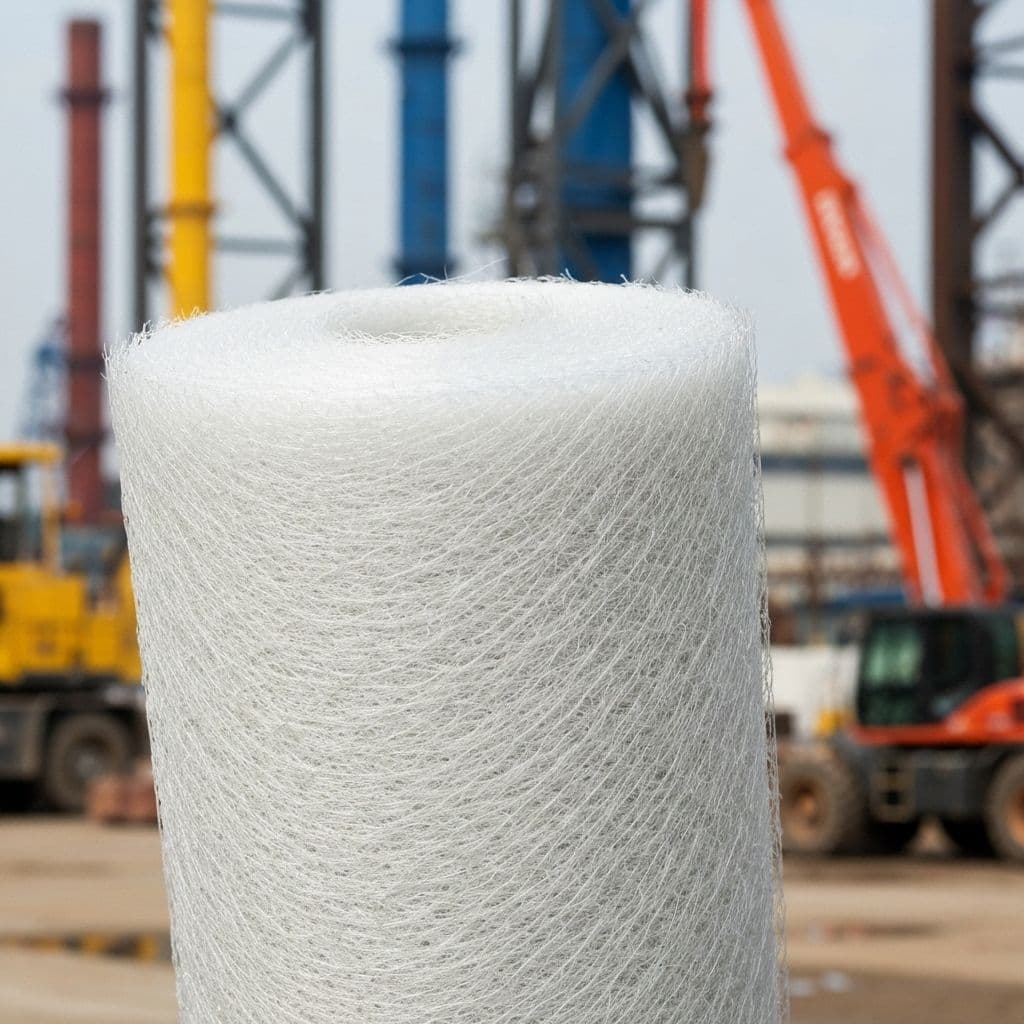
What Is an EIFS System and Why Does Mesh Matter?
EIFS (Exterior Insulation and Finish System) is a multi-layer facade cladding that insulates a building from the outside. The system consists of — from structural wall outward — adhesive, insulation board (EPS or XPS), base coat, embedded fiberglass mesh, finish coat, and decorative render.
The fiberglass mesh layer is the structural backbone of the base coat. Without correct mesh installation, even minor temperature fluctuations, moisture ingress, or impact forces produce cracks that propagate through the finish and allow water into the insulation layer. Facade failure in EIFS is almost always traceable to poor mesh embedment, insufficient overlap, or using the wrong mesh specification.
In the Balkans — Kosovo, Albania, North Macedonia — the combination of hot summers, cold winters, and seismic activity creates particularly demanding conditions for EIFS facades. Using the correct alkaline-resistant fiberglass mesh, properly installed, is non-negotiable for long-term performance.
Selecting the Correct Mesh Specification
Before installation begins, the correct mesh weight must be selected for the application:
| Application | Recommended Mesh | Tensile Strength |
|---|---|---|
| Standard EIFS facade | 7×7mm 115gr/m² | ≥1800 N/5cm |
| Heavy-duty / high-impact zones | 5×5mm 160gr/m² | ≥2050 N/5cm |
| Fine finish / interior plaster | 4×4mm 145gr/m² | ≥1950 N/5cm |
| Large area coverage | 10×10mm 110gr/m² | ≥1700 N/5cm |
All Bautex fiberglass mesh products carry CE marking and are coated with alkaline-resistant Acrylic Emulsion or SBR to withstand the high-pH environment of cement-based base coats.
Step-by-Step EIFS Mesh Installation
Prepare the Insulation Board Surface
EPS or XPS boards must be fully adhered and cured before mesh application. Any proud board corners and imperfections should be rasped flat. The surface must be dry, free of dust, and structurally stable. Do not apply base coat over boards that are still curing from adhesive foam.
Apply the Base Coat
Apply a 2–3mm uniform layer of polymer-modified base coat mortar using a stainless steel trowel. Work in manageable sections (1.0–1.5m wide) starting from the top. The base coat must remain workable (not skinned over) when the mesh is applied — typically within 15–20 minutes depending on temperature.
Embed the Fiberglass Mesh
Unroll the fiberglass mesh vertically and press it into the wet base coat by hand, starting at the top. Using a flat trowel or float, push the mesh into the mortar with firm, consistent pressure. Work from the center outwards to avoid air pockets and bridge wrinkles. The mesh must be fully submerged in the base coat — the mesh pattern should be barely visible through the mortar surface.
Apply the Second Base Coat Layer
Once the mesh is embedded, apply an additional 1–2mm of base coat over the mesh layer to fully encapsulate it. The final combined thickness should be 3–5mm. The mesh should be positioned in the outer third of the base coat layer — not directly against the insulation board and not flush with the outer surface.
Observe Overlap Requirements
Adjacent mesh strips must overlap by a minimum of 100mm (10cm) at all side and end joints. At external corners, wrap the mesh a minimum of 200mm around each face. Do not use butted (zero-gap) joints — they are the most common cause of stress cracks along mesh seam lines.
Reinforce Corners and Openings
Cut diagonal reinforcement strips (approx. 200×300mm) and embed them at 45° at all window and door opening corners before applying the main field mesh. This double layer at stress concentration points prevents the classic diagonal crack radiating from window corners.
Curing and Drying
Allow the base coat to cure for a minimum of 24–48 hours before applying the finish render, longer in cold or humid conditions. Protect fresh base coat from direct sun, rain, and frost. Do not apply finish coat until the base coat has fully cured and achieved uniform colour.
7 Most Common EIFS Mesh Installation Errors
Insufficient overlap at joints (under 100mm)
The most frequent cause of visible straight-line cracking on finished facades. Always measure, never estimate.
Mesh applied over dried base coat
Mesh must be embedded into wet mortar. Once base coat has skinned over, the bond is mechanical only — insufficient for long-term crack resistance.
Mesh positioned too close to insulation board
Mesh touching or nearly touching the board surface wicks moisture and is not structurally reinforcing the mortar. Target position: outer third of base coat.
No corner strips at window openings
Skipping the diagonal pre-reinforcement strips at window corners leads to the classic 45° crack radiating from opening corners — visible within the first thermal cycle.
Using under-weight mesh to save cost
Using 75gr/m² mesh in a system requiring 115gr/m² or 160gr/m² is a false economy. The system will crack prematurely and the repair cost far exceeds the mesh savings.
Wrinkled or bunched mesh
Wrinkles in the mesh create stress concentration points. Always smooth from the centre outward. Re-embed any section that shows surface wrinkles.
Applying finish coat before base coat is fully cured
Rushing to the finish coat stage traps moisture in the base coat, causing blistering and delamination. 24–48 hours minimum curing time is mandatory.
EIFS Fiberglass Mesh Installation — Key Takeaways
Select mesh weight based on application: 115gr/m² for standard EIFS, 160gr/m² for impact and heavy-duty zones
Always embed into wet base coat — never apply over cured mortar
Minimum 100mm overlap at all mesh joints; 200mm on corners
Position mesh in the outer third of the base coat layer
Pre-reinforce all window and door corners with diagonal strips before laying field mesh
Allow 24–48 hours curing before applying the finish coat
Use CE-marked alkaline-resistant mesh — non-alkaline mesh degrades in cement base coats within months
Bautex Fiberglass Mesh — Kosovo Manufacturer
All Bautex fiberglass mesh products are CE marked and manufactured with alkaline-resistant coating at the factory in Ferizaj, Kosovo. Bulk and wholesale orders available for contractors, construction companies, and distributors across the Balkans.